Steve Waugh and Harbhajan Singh Reunite in Mumbai After 21 Years: Manu Singh Sparks Candid Conversation on Rivalry, Monkeygate, and India’s Rise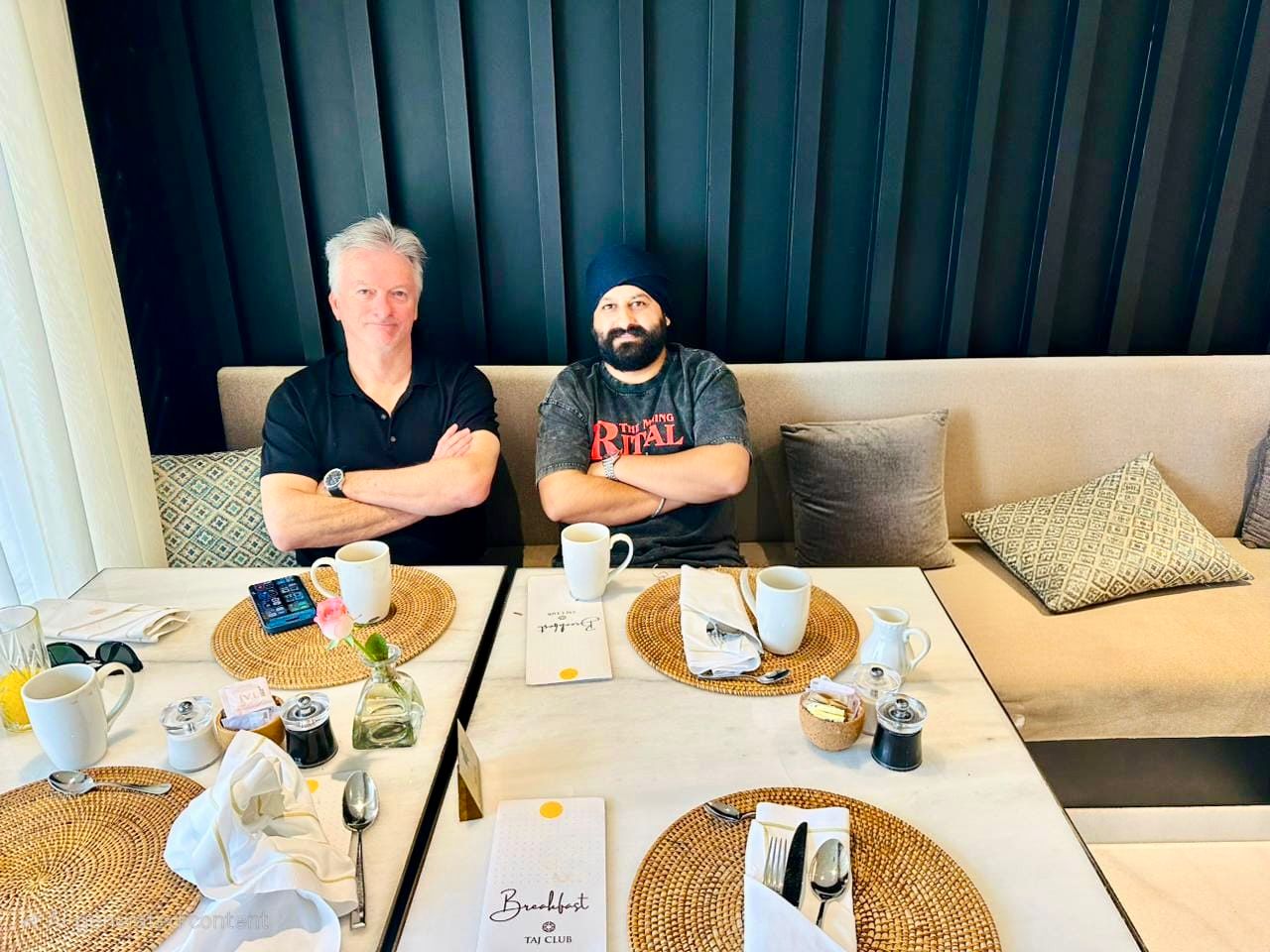
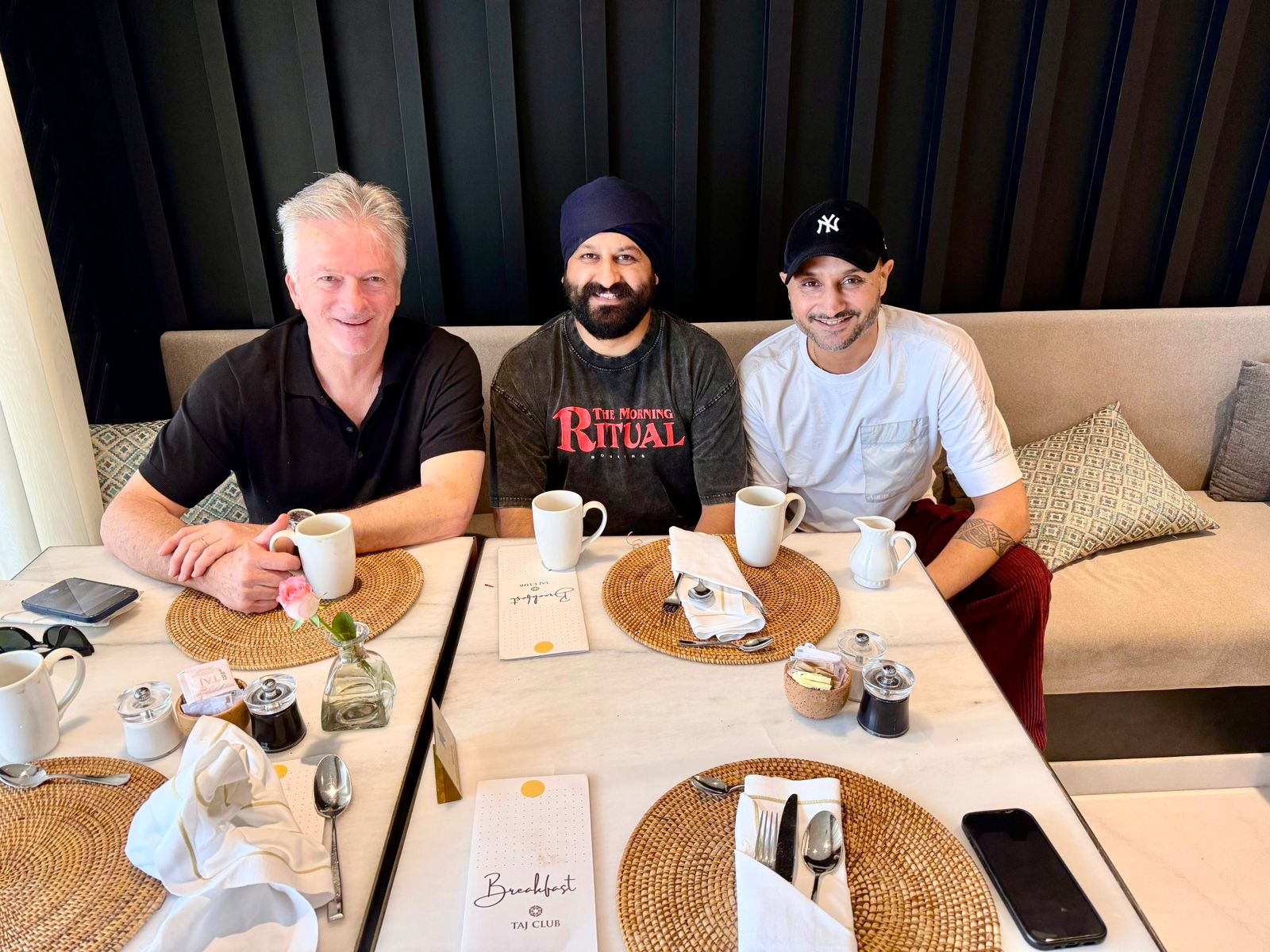
In a moment filled with nostalgia and reflection, cricket legends Steve Waugh and Harbhajan Singh reunited in Mumbai after more than two decades. The meeting, facilitated by Manu Singh, a renowned cricket reformist and philanthropist, served as more than just a reunion — it became a powerful dialogue on the evolution of cricket, the India-Australia rivalry, and the game-changing role India now plays in world cricket.
Revisiting a Fierce Rivalry
Steve Waugh, who led Australia during one of its most dominant periods, and Harbhajan Singh, the Indian spinner who famously turned the tide in the 2001 Test series, reminisced about the fierce yet respectful rivalry between the two nations. That 2001 series, especially Harbhajan’s iconic hat-trick in Kolkata, is widely regarded as a turning point in Indian cricket history. It gave Indian cricket a new identity — fearless, aggressive, and capable of toppling the world’s best.
Monkeygate: From Controversy to Closure
The conversation also touched on the controversial “Monkeygate” incident during India’s 2007–08 tour of Australia — a low point in bilateral relations. Both players acknowledged the emotional intensity of that period but emphasized how time, maturity, and mutual respect have healed old wounds. Their open discussion reflected the power of dialogue in transforming past conflicts into future lessons.
India’s Rise: From Underdog to Superpower
Manu Singh, who orchestrated the meeting, guided the discussion toward India’s meteoric rise in the cricketing world. Over the past two decades, India has transitioned from being just another cricket-loving nation to becoming the epicenter of global cricket — driving viewership, revenue, and innovation. From the launch of the IPL to advances in cricket infrastructure and grassroots development, India has redefined the sport on and off the field.
Steve Waugh praised India’s influence, noting that “India hasn’t just changed cricket — it has reimagined it.” Harbhajan echoed that sentiment, adding that the new generation of Indian cricketers carry the legacy of past battles while writing a bold new chapter.
A Conversation for the Future of Cricket
The meeting was not just about the past — it was a forward-looking dialogue about how cricket can be used as a force for unity, leadership, and social change. Manu Singh, whose work in cricket governance and philanthropy continues to make waves, stressed the importance of reconciliation, heritage, and reform in sustaining cricket’s global relevance.
This reunion was more than symbolic — it was a reminder that cricket, at its best, is about respect, resilience, and relationships that transcend boundaries.